


Is Analog Dead?
Marc Johnson | Dec 19, 2013 | Comments 4

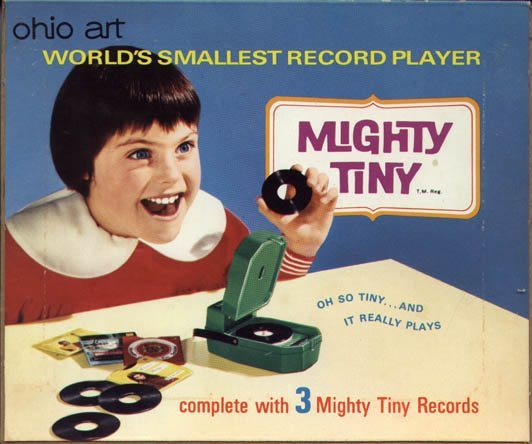
If you’ve been following, you might’ve noticed that most of my articles lately have been of the what-ever-happened-to variety. That’s because the world of music is in a strange place for me. I’m old enough to remember a time when music took up tangible physical space on my shelf in the form of tapes, records, or CDs. But, I’m also savvy enough to be able to stumble my way into acquiring over 70 gigs of music stored on various hard drives.
My piece of shit car doesn’t have a jack for my iPod.
Although this pisses me off, it also gave me the recent opportunity to listen to the last known haven of analog music: The Cassette Tape
After pushing the cassette into the player, I was amazed at how dense the sound coming from my speakers actually was. Considering that the speakers in my car are just as crappy as the car itself, the fact that it sounded good at all was surprising.
I compare the experience to having added salt to bland soup.

The soup was OK. There were carrots and celery and bits of chicken, but it was a bit…blah. But after the salt was added, it was freaking delicious.
For technical reference, let’s take a quick look at how analog and digital recording works. The easiest explanation I could find comes from HowStuffWorks
In analog technology, a wave is recorded or used in its original form. So, for example, in an analog tape recorder, a signal is taken straight from themicrophone and laid onto tape. The wave from the microphone is an analog wave, and therefore the wave on the tape is analog as well. That wave on the tape can be read, amplified and sent to a speaker to produce the sound.
In digital technology, the analog wave is sampled at some interval, and then turned into numbers that are stored in the digital device. On a CD, the sampling rate is 44,000 samples per second. So on a CD, there are 44,000 numbers stored per second of music. To hear the music, the numbers are turned into avoltage wave that approximates the original wave.
“Digital can never replace analog. Digital tries to replicate analog sounds. But, while analog is a smooth line, digital is a series of steps. Sure, the steps might get smaller and smaller over time, but they’ll always be steps.”
Tiny URL for this post:

Filed Under: Featured • Commentary / Editorials